
How Negative Pressure Wound Therapy (Wound VAC) Accelerates Healing
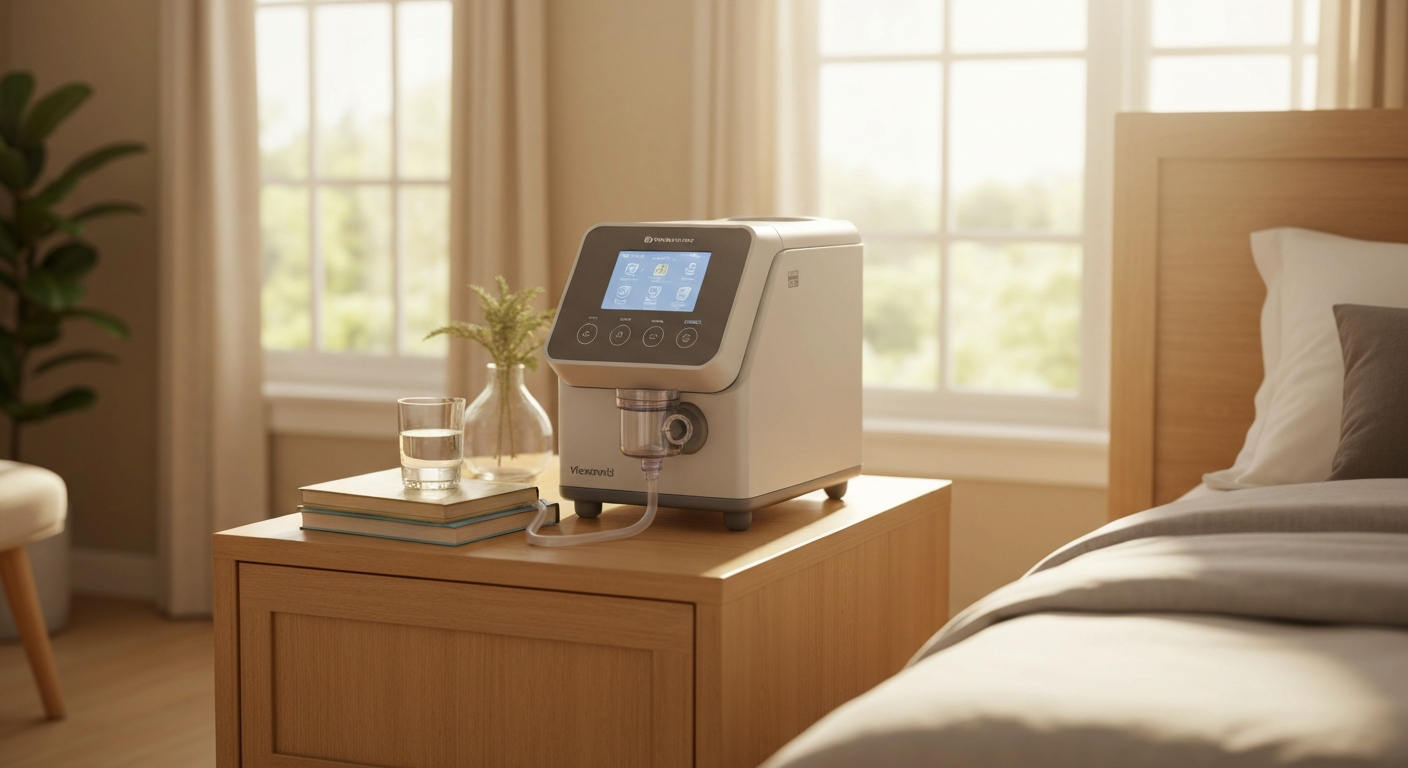
An overview of how Wound VAC systems work to draw out fluid, increase blood flow, and promote the rapid growth of healthy granulation tissue in complex wounds.
What is Negative Pressure Wound Therapy?
When dealing with severe, deep, or complex wounds—such as large surgical incisions, traumatic injuries, or advanced diabetic ulcers—traditional bandages are sometimes not enough to stimulate the body's healing processes. In these challenging cases, physicians often prescribe Negative Pressure Wound Therapy (NPWT), commonly referred to as a Wound VAC (Vacuum-Assisted Closure).
A Wound VAC is an advanced medical device that applies controlled, localized negative pressure (a vacuum) to the wound bed. The system consists of a specialized foam or gauze dressing fitted precisely to the contours of the wound, a transparent adhesive film that seals the dressing and the surrounding skin, a drainage tube, and a portable vacuum pump. This combination creates a closed environment that actively promotes faster, more robust healing than standard dressings can achieve.
While the device may look intimidating at first, understanding the science behind how it works can help alleviate anxiety and highlight why it is such a powerful tool in modern wound care. By manipulating the physical environment of the wound, NPWT kickstarts biological processes that might otherwise remain stalled.
Drawing Out Excess Fluid and Infection
One of the primary mechanisms by which a Wound VAC accelerates healing is the continuous removal of excess exudate (wound fluid). While some moisture is necessary for healing, chronic and complex wounds often produce an overabundance of fluid. This excess fluid can cause the surrounding healthy skin to break down (maceration) and contains inflammatory enzymes that can actually degrade new tissue, stalling the healing process.
The gentle, continuous vacuum of the Wound VAC actively pulls this excess fluid away from the wound bed, through the tubing, and into a disposable canister. By removing this fluid, the device also helps to draw out infectious materials, bacteria, and cellular debris, creating a much cleaner, healthier environment for new cells to grow. This active drainage is particularly beneficial for large wounds that produce significant amounts of exudate.
The closed system also provides a formidable barrier against external contaminants. The airtight seal prevents new bacteria from entering the wound bed, significantly reducing the risk of secondary infections while the body works to heal the primary injury.
Increasing Blood Flow to the Wound
Healing requires a robust supply of oxygen and nutrients, which are delivered via the bloodstream. The negative pressure applied by the Wound VAC creates a micro-strain on the tissue in the wound bed. This physical tension stimulates the local blood vessels to dilate, significantly increasing the flow of blood to the area.
This enhanced perfusion ensures that the cells responsible for rebuilding tissue have the resources they need to work efficiently. The increased blood flow also brings more white blood cells to the area, bolstering the body's natural defense against infection. By improving local circulation, the Wound VAC addresses one of the primary barriers to healing in chronic wounds, particularly in patients with compromised vascular systems.
Promoting Granulation Tissue Growth
Perhaps the most remarkable effect of a Wound VAC is its ability to stimulate the rapid formation of granulation tissue. Granulation tissue is the red, bumpy, highly vascularized tissue that fills in the base of a healing wound. It is the foundation upon which new skin will eventually grow.
The mechanical forces exerted by the negative pressure physically pull the edges of the wound together (macro-deformation) and stretch the individual cells within the wound bed (micro-deformation). This stretching triggers a biological response that encourages cells to divide and multiply much faster than they would under a traditional dressing. As a result, deep wounds fill in with healthy granulation tissue at an accelerated rate, significantly reducing the overall healing time and preparing the wound bed for eventual closure or a skin graft.
This rapid tissue generation is crucial for deep wounds that expose bone, tendon, or hardware, as these structures must be covered quickly to prevent severe complications.
Managing a Wound VAC at Home
While Wound VAC therapy is highly effective, it requires precise management. The pump must generally run 24 hours a day to maintain the therapeutic vacuum, and the dressings typically need to be changed every 48 to 72 hours. These dressing changes are complex; the foam must be cut to the exact size of the wound to avoid damaging healthy skin, and the airtight seal must be perfect for the vacuum to function correctly.
Because of this complexity, Wound VAC management is not a DIY procedure. It requires the expertise of a trained clinician. Through our network, patients in Broward County can receive this advanced therapy in the comfort of their own homes. Licensed, NPWT-certified providers visit on a strict schedule to perform the intricate dressing changes, monitor the wound's progress, and ensure the device is functioning correctly.
This in-home support allows patients to benefit from hospital-level technology without the need for an extended hospital stay or frequent trips to an outpatient clinic, making the recovery process much more comfortable and convenient. Patients are educated on how to respond to alarms on the device and what to do in case of a power failure, ensuring safety and continuity of care.
Additional Considerations for Long-Term Wound Management
When dealing with chronic or complex wounds, the journey to complete healing often extends beyond the immediate clinical treatments. Long-term management requires a holistic approach that addresses not just the wound itself, but the overall health and lifestyle of the patient. This comprehensive perspective is essential for preventing recurrence and ensuring that the newly healed tissue remains resilient and healthy over time.
One of the most critical factors in long-term wound management is nutrition. The body requires a significant amount of energy and specific nutrients to repair damaged tissue and fight off potential infections. A diet rich in high-quality proteins, essential vitamins such as Vitamin C and Vitamin A, and minerals like zinc and iron plays a foundational role in the cellular processes of healing. Patients and caregivers should work closely with healthcare providers or a registered dietitian to develop a nutritional plan tailored to the patient's specific metabolic needs and any underlying conditions, such as diabetes or kidney disease, which may complicate dietary choices.
Hydration is equally important. Adequate fluid intake ensures that blood volume is maintained, allowing for the efficient transport of oxygen and nutrients to the wound site. It also helps to keep the skin supple and less prone to cracking or breaking down. For older adults, the sensation of thirst often diminishes, making it crucial to establish a routine for regular water consumption throughout the day, unless fluid intake is restricted due to a medical condition like heart failure.
Beyond diet, managing underlying health conditions is paramount. Chronic wounds are frequently a symptom of systemic issues such as uncontrolled blood sugar in diabetic patients, severe peripheral artery disease, or chronic venous hypertension. If these root causes are not aggressively managed, the risk of the wound stalling or a new ulcer forming remains exceptionally high. Regular follow-ups with primary care physicians and specialists are necessary to adjust medications, monitor vital health metrics, and ensure that the systemic environment supports local wound healing.
Physical activity, tailored to the patient's abilities and limitations, also plays a vital role. While resting an injured limb is often required initially, prolonged immobility can lead to muscle atrophy, decreased circulation, and a higher risk of pressure ulcers. Safe, guided exercises can improve blood flow, enhance cardiovascular health, and boost the immune system. Physical therapists can provide specific exercises that promote circulation without putting undue stress on the healing wound.
Mental and emotional well-being should never be overlooked. Dealing with a chronic wound can be exhausting, painful, and isolating, leading to anxiety and depression. These psychological factors can actually slow down the healing process by increasing stress hormones that impair immune function. Providing emotional support, encouraging participation in hobbies or social activities as much as possible, and seeking professional counseling when needed are all vital components of a comprehensive care plan.
Finally, education and empowerment are the ultimate tools for long-term success. Patients and their families must be actively involved in the care process, understanding the reasons behind specific treatments and the warning signs of complications. When individuals are equipped with the knowledge and resources they need, they become the most effective advocates for their own health, leading to better outcomes and a higher quality of life.
Conclusion
Negative Pressure Wound Therapy represents a significant advancement in the treatment of complex and hard-to-heal wounds. By actively removing excess fluid, increasing vital blood flow, and stimulating rapid cellular growth, a Wound VAC can dramatically shorten recovery times and improve healing outcomes. While the technology is sophisticated and requires professional oversight, it allows patients to achieve remarkable healing progress. With the support of vetted, licensed in-home care providers, you can safely and effectively manage Wound VAC therapy in your own home, ensuring your recovery is as swift and comfortable as possible.
Frequently Asked Questions
Q: Does a Wound VAC hurt?
A: You may feel a mild pulling or drawing sensation when the vacuum is first turned on, but it should not be painful. If you experience significant pain, contact your provider immediately.
Q: Can I shower with a Wound VAC?
A: You must disconnect the pump from the tubing before showering. The dressing itself is usually water-resistant, but you should avoid soaking it. Your provider will give you specific instructions based on your device.
Q: What should I do if the Wound VAC alarm goes off?
A: The device will alarm for issues like a low battery, a full canister, or a leak in the seal. Check the screen for the specific error message. If you cannot resolve the issue (e.g., by plugging it in), contact your home health provider.
Q: How long will I need to use the Wound VAC?
A: The duration of therapy varies greatly depending on the size and severity of the wound. Your physician will monitor your progress and determine when the therapy can be discontinued.
Q: Can I turn the Wound VAC off at night?
A: No. The Wound VAC must run continuously (24 hours a day) to be effective. Turning it off for extended periods can lead to fluid buildup and increase the risk of infection.