
Managing Venous Leg Ulcers at Home: Tips for Success
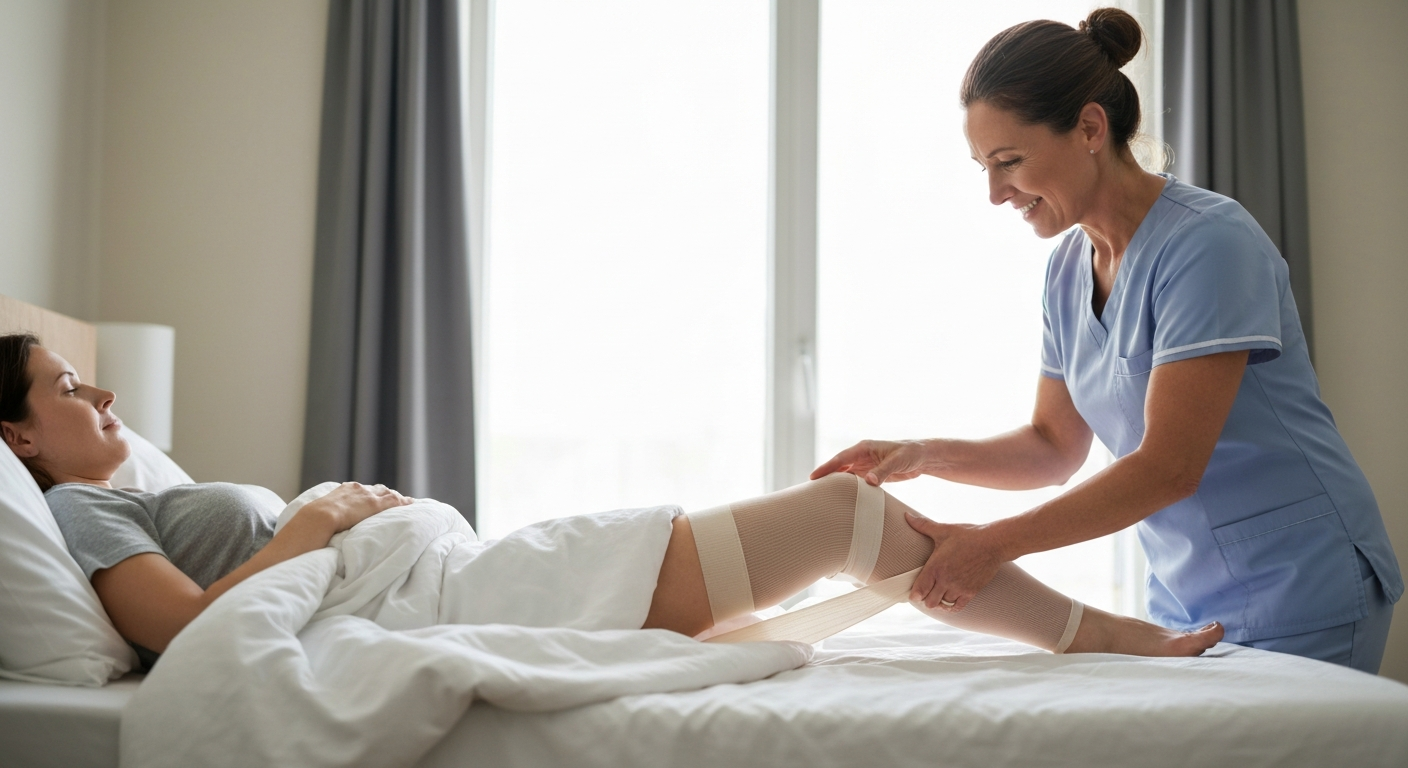
Practical advice on managing venous leg ulcers, including the importance of consistent compression therapy, leg elevation, and maintaining skin health.
Understanding Venous Leg Ulcers
Venous leg ulcers are the most common type of leg ulcer, typically occurring just above the ankle. They are caused by chronic venous insufficiency—a condition where the one-way valves in the leg veins don't function properly, making it difficult for blood to flow back up to the heart against gravity. This causes blood to pool in the lower legs, increasing pressure in the veins and eventually leading to fluid leaking into the surrounding tissue. Over time, this fluid breaks down the tissue and skin, resulting in an open, painful wound.
Managing a venous leg ulcer at home requires a commitment to a multi-faceted treatment plan. Because the root cause is poor circulation and fluid retention, simply applying a bandage to the wound is never enough. Successful healing demands addressing the underlying venous hypertension through consistent, daily practices aimed at improving blood flow.
These ulcers can take months to heal, and the recurrence rate is high if the underlying venous issues are not managed long-term. Therefore, adopting these management strategies into your daily routine is essential not just for healing the current ulcer, but for preventing future ones.
Understanding that this is a chronic condition rather than a temporary injury is the first step toward successful management. It requires a partnership between you, your caregivers, and your healthcare providers to maintain the delicate balance necessary for healing.
The Cornerstone of Healing: Compression Therapy
The single most important treatment for a venous leg ulcer is compression therapy. Compression bandages or specialized stockings apply graduated pressure to the lower leg—highest at the ankle and decreasing further up the leg. This pressure helps counteract the faulty vein valves, assisting the blood in moving back toward the heart and significantly reducing swelling (edema) in the tissue.
Without adequate compression, a venous ulcer is highly unlikely to heal. It is crucial to wear your compression garments exactly as prescribed by your physician or wound care provider. Often, multi-layer compression wraps are applied by a visiting clinician and left in place for several days. These wraps provide consistent, therapeutic pressure that is difficult to achieve with standard over-the-counter stockings.
Once the ulcer has healed, you will likely need to wear compression stockings daily to prevent the ulcer from returning. Never stop wearing your compression garments without consulting your healthcare team, even if the wound appears to be healed, as the underlying venous insufficiency remains.
It is important to note that compression therapy is not suitable for everyone. If you also have significant arterial disease (poor blood flow from the heart to the legs), strong compression can be dangerous. Your healthcare provider will perform tests, such as an Ankle-Brachial Index (ABI), to ensure compression is safe for you before beginning therapy.
The Power of Leg Elevation
Alongside compression, elevating your legs is a simple yet powerful tool in managing venous ulcers. Gravity is working against your leg veins; elevation uses gravity to your advantage. When you elevate your legs, it becomes easier for the pooled blood and fluid to drain away from your lower extremities and return to your heart.
To be effective, your legs must be elevated above the level of your heart. Simply propping them up on a low footstool while sitting in a chair is not sufficient. Aim to elevate your legs for 30 minutes, three to four times a day. You can do this by lying down on a sofa or bed and placing pillows under your calves (not just under your heels or knees, which can restrict flow). Consistent elevation helps reduce swelling rapidly, which in turn reduces pain and promotes tissue healing.
If possible, try to elevate the foot of your bed slightly (about 6 inches) to promote drainage while you sleep. However, discuss this with your doctor first, especially if you have other medical conditions like heart failure or severe reflux disease that might make sleeping flat difficult.
Maintaining Skin Health and Hygiene
The skin surrounding a venous ulcer is often fragile, dry, itchy, and discolored (a condition called stasis dermatitis). Protecting this "peri-wound" skin is vital to prevent the ulcer from enlarging and to ward off infection. Your wound care provider will recommend a specific regimen for cleaning the wound and the surrounding area during dressing changes.
It is essential to keep the surrounding skin well-moisturized using a bland emollient cream recommended by your clinician. Apply the moisturizer gently, avoiding the open wound itself. Do not use heavily fragranced lotions, harsh soaps, or over-the-counter antibiotic ointments unless specifically instructed, as these can cause allergic reactions or further irritate the sensitive skin.
If you notice increased redness, warmth, a sudden increase in pain, or foul-smelling drainage, contact your provider immediately, as these may be signs of infection requiring prompt medical attention.
Staying Active and Mobile
While resting with your legs elevated is important, staying completely immobile is detrimental. The calf muscles act as a pump, helping to push blood back up the legs when you walk. Therefore, maintaining a gentle, regular walking routine is highly beneficial for venous circulation.
Work with your healthcare provider to determine an appropriate level of activity. Even simple exercises, like flexing your ankles up and down (ankle pumps) while sitting or lying down, can help activate the calf muscle pump and improve blood flow. Avoid standing or sitting in one position for long periods; if you must sit, try to elevate your legs and perform ankle exercises frequently.
Weight management is also an important factor. Excess weight places additional strain on the leg veins, making it harder for blood to return to the heart. Maintaining a healthy weight through a balanced diet and regular, gentle exercise can significantly improve venous function and aid in ulcer healing.
The Value of Professional In-Home Support
Managing a venous ulcer involves a steep learning curve, particularly when it comes to applying compression wraps correctly. Incorrectly applied compression can be ineffective or, worse, restrict arterial blood flow and cause further damage. This is where professional in-home wound care proves invaluable.
Through our network, patients in Broward County can connect with licensed clinicians who visit the home to perform expert dressing changes, correctly apply multi-layer compression wraps, and monitor the wound's progress. They also provide crucial education, ensuring you and your caregivers understand how to elevate properly, protect the skin, and recognize signs of complications, making the healing journey safer and more manageable.
Conclusion
Healing a venous leg ulcer is a process that requires patience, consistency, and a commitment to addressing the underlying circulation issues. By strictly adhering to your compression therapy regimen, elevating your legs daily, protecting your skin, and staying gently active, you create the optimal environment for your wound to heal. Remember that you do not have to manage this complex condition on your own. Connecting with vetted, licensed in-home wound care providers ensures you receive the expert treatment and guidance necessary to heal safely and effectively, right in the comfort of your home.
Frequently Asked Questions
Q: How long will I need to wear compression stockings?
A: Because venous insufficiency is a chronic condition, you will likely need to wear compression stockings daily for the rest of your life to prevent the ulcer from returning.
Q: Can I shower with a venous leg ulcer?
A: This depends on your specific dressing and your provider's instructions. Some dressings are waterproof, while others must be kept completely dry. Always ask your clinician.
Q: Why does my leg itch so much around the ulcer?
A: Itching is common due to stasis dermatitis (inflammation of the skin caused by fluid buildup). Use the bland moisturizers recommended by your provider, and never scratch the area, as this can cause new wounds.
Q: Is it normal for my venous ulcer to drain a lot of fluid?
A: Yes, venous ulcers are typically highly exudative (they weep a lot of fluid). Your provider will use specialized absorptive dressings to manage this drainage.
Q: What should I do if my compression wrap feels too tight or causes pain?
A: Contact your wound care provider immediately. While compression should feel snug, it should never cause severe pain, numbness, or tingling in your toes.