
Signs Your Wound Dressing Needs Changing Sooner Than Scheduled
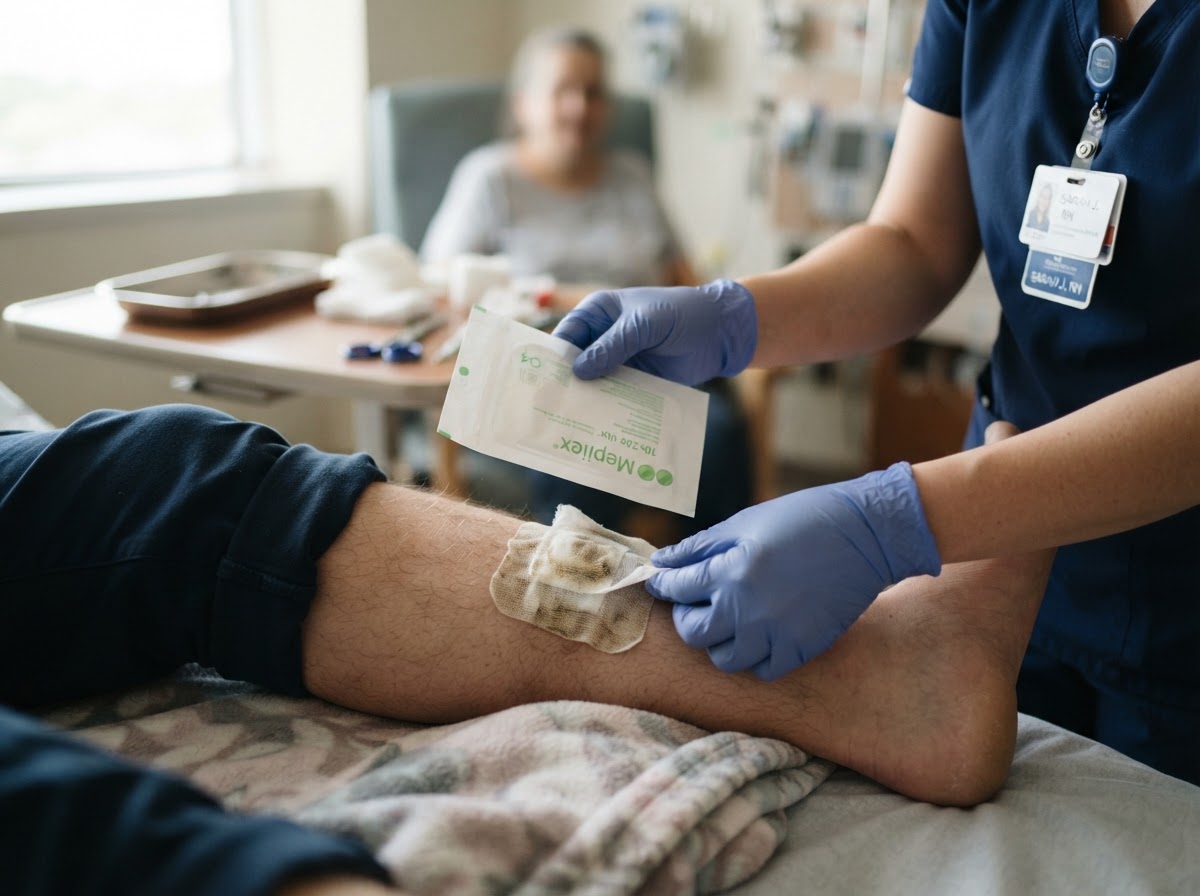
Sometimes a dressing needs to come off before the next scheduled change. Learn the signs that mean it's time to change it now in Broward County.
Content reviewed for accuracy by our clinical network • Last updated: October 2026
Why the Dressing Schedule Is a Guide, Not a Rule
When your clinician tells you to change a dressing every other day or twice a week, that schedule is based on how much drainage they expect and what the wound needs to stay healthy. But wounds do not always follow the plan. Drainage can increase, a dressing can come loose, or something can change that means the dressing needs to come off sooner. For patients managing wounds at home in Broward County, knowing the signs that a dressing needs an early change helps you protect the wound between visits.
Changing a dressing early is not a failure — it is the right response to a change in the wound. The goal is to keep the wound environment clean, appropriately moist, and protected. When a dressing is no longer doing its job, leaving it in place until the scheduled time can cause more harm than changing it early. This guide covers the most common signs that it is time to change the dressing now.
The Dressing Is Soaked or Leaking
The clearest sign that a dressing needs an early change is when it is saturated with drainage. A dressing that is soaked through is no longer absorbing — it is holding fluid against the skin, which macerates the surrounding tissue and creates an environment where bacteria thrive. If you see drainage leaking out from under the dressing, running down the skin, or soaking through to the outer layer, it is time to change it.
For venous leg ulcers, which often produce moderate to heavy drainage, this is a common reason for early changes, especially early in treatment. If your dressing is soaking through repeatedly, tell your clinician — they may recommend a more absorbent dressing or more frequent changes as a new baseline. The same applies to surgical wounds in the first days after surgery, when drainage is typically highest.
The Dressing Has Come Loose or Shifted
A dressing that has peeled off, slid out of place, or is no longer fully covering the wound is not protecting it. An exposed wound collects bacteria, dries out, or gets rubbed by clothing. If the dressing has shifted so that the wound is partially uncovered, or if the tape is lifting and the dressing is hanging on by a corner, change it rather than trying to tape it back down. Re-taping a loose dressing rarely holds well and often traps moisture or bacteria underneath.
In South Florida's heat and humidity, adhesives fail more often because of sweat. If you find that dressings are consistently coming loose, let your clinician know so they can recommend dressings and tapes designed for humid conditions. For diabetic foot ulcers, a loose dressing combined with walking can cause friction that worsens the wound, so a shifted dressing should be changed promptly.
There Is a New Odor
A wound that develops a new or stronger odor can be a sign that the dressing needs changing and, potentially, that the wound needs clinical attention. Some drainage has a mild scent that is normal for that wound, but a sudden foul or unpleasant smell that was not there before is worth paying attention to. It can mean the dressing has been on too long with too much drainage, or it can be an early sign of an infected wound.
Change the dressing and see if the odor persists once the wound is clean. If it does, or if the odor comes with increased drainage, redness, or pain, call your clinician. Do not assume that a fresh dressing will solve an infection — but do not leave a smelly, saturated dressing in place either.
The Wound or Surrounding Skin Looks Different
If you can see the wound or the skin around it and notice changes, an early dressing change gives you a better look and lets you report what you see. Increasing redness around the wound edges, spreading warmth, new swelling, or skin that looks pale, wrinkled, and waterlogged are all signs to change the dressing and assess. For wounds under opaque dressings, you may not see the wound itself, but redness or irritation on the surrounding skin is visible and meaningful.
If the surrounding skin is irritated from adhesive, a change lets you reposition the new dressing on fresh skin. If the skin is macerated from moisture, the wound may need a different dressing type, and your clinician can adjust the plan. For pressure ulcers, check the surrounding skin for new areas of redness that do not blanch, which can indicate early pressure injury.
The Patient Reports New Pain or Discomfort
Pain is a signal. If the patient says the wound area suddenly hurts more, feels like it is burning, or is uncomfortable in a new way, an early dressing change lets you see what is happening. Sometimes a dressing that has shifted is pressing on the wound, or a fold in the dressing is creating a pressure point. Sometimes the pain is coming from a change in the wound itself. Either way, looking sooner is better than waiting.
For patients with Wound VAC therapy, new pain can mean the seal has broken, the foam has shifted, or the device needs attention. Do not remove a Wound VAC dressing yourself — call your clinician, who is trained to manage the device. Understanding your insurance coverage for extra visits can reduce the worry about calling for help.
When to Change It Yourself vs. When to Call
If you have been taught how to change the dressing and the situation is straightforward — a soaked or loose dressing with no signs of infection — go ahead and change it using the technique your clinician taught you. Wash your hands, gather supplies, and follow the steps. Then let your clinician know you changed it early and why, so they can track the wound's progress.
Call your clinician instead of changing it yourself if you see signs of infection (spreading redness, warmth, odor, fever), if the wound looks significantly different (larger, deeper, opening up), if there is bleeding that does not stop with gentle pressure, or if you are not confident about how to change the dressing correctly. For slow-healing wounds and complex dressings, when in doubt, call. Your clinician would rather hear from you than have a problem go unaddressed.
Conclusion
A dressing schedule is a starting point, not a contract. By knowing the signs that a dressing needs an early change — saturation, shifting, odor, skin changes, or new pain — you can keep the wound protected and catch problems early. When the situation is straightforward, change it with the technique you were taught; when something looks wrong, call your clinician. If you are managing a wound at home in Broward County and have questions about your dressing, call Wound Care Broward at (954) 477-6688 or use the contact form to request a provider call.
Frequently Asked Questions
Q: Is it bad to change a dressing before the scheduled time?
A: No. If the dressing is soaked, loose, or causing a problem, changing it early is the right thing to do. Just let your clinician know.
Q: What if the dressing is only a little damp?
A: A small amount of drainage that stays within the dressing is usually fine. Change it if it is soaked, leaking, or no longer covering the wound.
Q: The dressing smells but the wound looked fine last time. What should I do?
A: Change the dressing and look at the wound. If the odor persists after cleaning or comes with redness, warmth, or pain, call your clinician.
Q: Can I just tape down a loose dressing?
A: It is better to change it. Re-taping a loose dressing rarely holds well and can trap moisture or bacteria underneath.
Q: Should I change a Wound VAC dressing myself if it hurts?
A: No. Call your clinician. Wound VAC dressings require trained handling, and your nurse will check the seal and fit.