
Recognizing Wound Infection Early: Signs Broward Patients Shouldn't Ignore
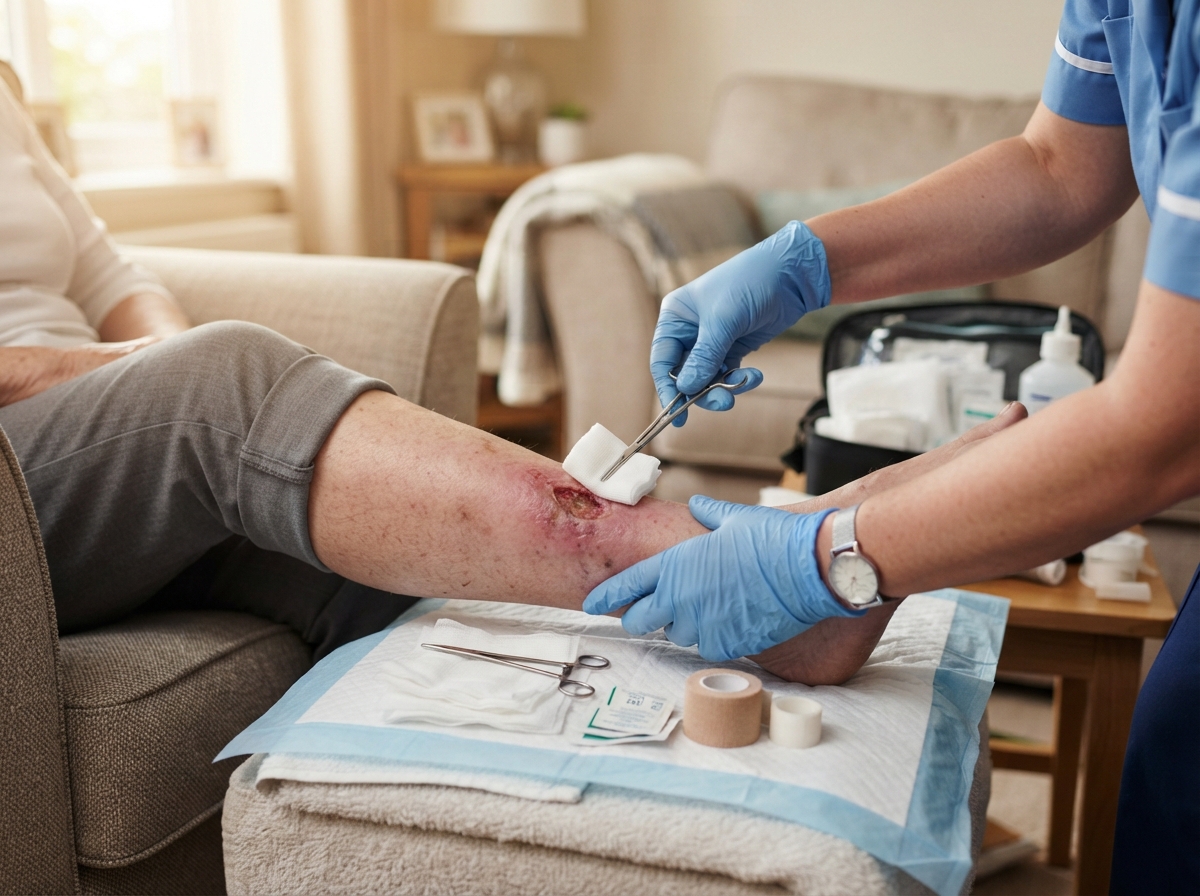
Redness, warmth, odor, or drainage changes can mean your wound is infected. Learn the early warning signs and when to call a clinician in Broward County.
Content reviewed for accuracy by our clinical network • Last updated: August 2026
Why Early Detection of Wound Infection Matters
A wound infection is one of the most common — and most dangerous — complications a patient can face during recovery. When bacteria multiply inside a wound, they trigger inflammation, delay healing, and can spread to surrounding tissue or even enter the bloodstream. For patients managing wounds at home in Broward County, recognizing the early signs of infection is critical because the sooner treatment begins, the better the outcome. An infection caught in the first day or two often resolves with a change in dressing, a topical antimicrobial, or a short course of oral antibiotics. An infection ignored for a week can lead to hospitalization, surgical debridement, or worse.
The challenge is that some infection signs are subtle at first. A little extra redness around the wound edge can look like normal healing. A slight increase in drainage might seem unremarkable. This is why understanding what is normal — and what is not — empowers you to act quickly. You do not need to be a clinician to spot the warning signs, but you do need to know what to look for and when to pick up the phone.
This guide walks through the most common early signs of wound infection, the risk factors that make infection more likely, what your in-home clinician will do when they suspect infection, and the steps you can take between visits to monitor your wound. If you or a loved one is managing a chronic wound at home, this information could make the difference between a smooth recovery and a serious setback.
The Normal Healing Process: What to Expect
Before discussing what is abnormal, it helps to understand what a healthy healing wound looks like. In the first few days after a wound appears or a dressing is changed, you may notice mild redness around the edges, slight swelling, and a clear or slightly pink fluid weeping from the wound bed. This is the body's natural inflammatory response — blood flow increases to the area, delivering oxygen, nutrients, and white blood cells to fight off bacteria and begin tissue repair. This mild redness should gradually fade over several days, not spread.
A healing wound may also produce a small amount of clear exudate, which is normal and actually helps maintain the moist environment that promotes cell migration. The tissue in the wound bed should look pink, red, or beefy — this is called granulation tissue, and it is a sign that new blood vessels and connective tissue are forming. You may also see thin, whitish tissue building up at the edges, which is epithelial cells migrating inward to close the wound. All of these are positive signs.
Discomfort is also normal in the early stages. A mild throbbing, tenderness, or pulling sensation is expected, especially after a dressing change. What is not normal is pain that steadily worsens over several days, pain that becomes sharp or throbbing without an obvious cause, or pain that keeps you from sleeping or moving normally. Pain that escalates rather than improves is one of the earliest indicators that something may be wrong.
The Early Warning Signs of Infection
Clinicians use a framework sometimes called the "classic signs of infection" — redness, warmth, swelling, pain, and loss of function. These signs have been recognized for centuries because they reliably indicate that the body is fighting off a bacterial invasion. When they appear in a wound that should be healing, they warrant attention. Let us break each one down in practical terms.
Increased redness spreading from the wound edges. Some redness right at the wound margin is normal, but if the redness is expanding outward, becoming brighter or darker, or forming streaks that extend away from the wound, this is a sign of spreading inflammation. Your clinician may measure the redness at each visit and mark the border with a skin marker to track whether it is growing. If you notice the red area getting larger between visits, call your provider.
Unusual warmth around the wound. An infected wound often feels noticeably warmer to the touch than the surrounding skin. This happens because increased blood flow rushes to the area as the immune system responds. If you gently place your hand near the wound and it feels hot compared to the skin a few inches away, that temperature difference is worth reporting.
Changes in drainage or odor. A healing wound may produce clear or slightly pink fluid. An infected wound often produces thicker, yellow, green, or brown drainage — what clinicians call purulent exudate. The drainage may also develop a foul or sour odor that was not present before. If the dressing smells noticeably worse than usual or the drainage has changed color or consistency, infection is a real possibility.
Increased pain or tenderness. As mentioned, pain that worsens rather than improves is a red flag. This is especially true if the pain is deep, throbbing, or accompanied by a feeling of pressure. Some patients describe it as a sensation that the wound is "pulling" or "tightening" in a way that feels different from normal healing discomfort.
Fever, chills, or feeling unwell. These are systemic signs, meaning the infection may be spreading beyond the local wound area. A low-grade fever (above 100.4°F), body aches, fatigue, or a general sense of feeling unwell should be treated as urgent. If you experience these symptoms alongside a wound, contact your clinician or physician the same day.
Risk Factors That Make Infection More Likely
Not every wound becomes infected, but certain conditions raise the risk significantly. Patients with diabetes are especially vulnerable because elevated blood sugar impairs white blood cell function and reduces circulation to the extremities. A diabetic foot ulcer can become infected with remarkably little warning, which is why any diabetic foot wound should be evaluated by a clinician promptly rather than monitored at home.
Poor circulation from peripheral arterial disease or chronic venous insufficiency also increases infection risk. When blood flow to a wound is limited, the oxygen and immune cells needed to fight bacteria cannot reach the area efficiently. Patients with arterial ulcers or venous ulcers should be monitored closely for early infection signs. Similarly, patients with weakened immune systems — whether from chemotherapy, chronic illness, or medications that suppress immunity — heal more slowly and are more susceptible to bacterial invasion.
The nature of the wound itself matters too. Surgical wounds that have opened (dehisced) or traumatic wounds contaminated with dirt or debris carry a higher baseline risk. Wounds that have been present for a long time without healing — classified as slow or non-healing wounds — are also more likely to develop biofilm, a thin layer of bacteria that resists both the immune system and topical treatments.
What Your In-Home Clinician Will Do
When a licensed wound care nurse visits your home and suspects infection, they follow a structured assessment process. First, they will carefully remove the dressing and observe the wound bed and surrounding skin, comparing it to notes and photographs from previous visits. They will measure the wound, check for tunneling or undermining (areas where the wound extends beneath the skin surface), and assess the color, consistency, and odor of any drainage.
If infection is suspected, your clinician may take a wound culture — a small swab of the wound bed sent to a laboratory to identify the specific bacteria present and determine which antibiotics will be effective. They may also clean the wound more thoroughly than usual, remove any dead or infected tissue (debridement), and apply an antimicrobial dressing containing silver, iodine, or medical-grade honey to reduce the bacterial load. The frequency of visits may be increased so the wound can be monitored more closely.
Your clinician will also coordinate with your physician. If the infection is significant, your doctor may prescribe oral or intravenous antibiotics. In some cases, especially if the infection is deep or spreading rapidly, your physician may recommend a transfer to a hospital or a wound care clinic for more intensive treatment. This is not a failure of home care — it is the system working as it should, escalating the level of care when the situation demands it.
What You Can Do Between Visits
Between clinician visits, you and your caregivers play an essential role in monitoring the wound. Make it a habit to glance at the dressing once or twice a day. You do not need to remove it — simply look for signs that the dressing has become saturated, discolored, or is lifting away from the skin. If you notice an unusual odor when you are near the wound area, mention it to your clinician at the next visit or call sooner if it is strong.
Keep the wound area clean and protected. Wash your hands thoroughly before and after any contact with the dressing. Avoid touching the wound bed itself. Make sure the area around the wound is kept dry and that clothing or bedding is not creating friction or pressure on the site. If your clinician has recommended offloading (keeping weight or pressure off the area), follow that guidance closely — pressure on an infected wound worsens the problem.
Take your temperature daily if you are managing a high-risk wound. A persistent low-grade fever is an early systemic sign that should not be dismissed. Keep a simple log of the temperature, any pain levels, and anything you notice about the wound's appearance. This information is invaluable to your clinician and helps them make better-informed decisions about your care.
When to Call Immediately
Some situations require same-day attention. Call your clinician or physician immediately if you notice redness spreading rapidly, drainage that is thick, green, or foul-smelling, a sudden increase in pain, a fever above 100.4°F, chills, confusion, or a wound that suddenly opens wider or exposes deeper tissue. These are signs that the infection may be advancing quickly, and waiting until the next scheduled visit is not safe.
If you are a Broward County patient and your wound is showing signs of infection, do not wait. Wound Care Broward connects patients with licensed clinicians who can assess the wound in your home, coordinate with your physician, and adjust the care plan immediately. Call (954) 477-6688 or use the contact form to request a provider call.
Conclusion
Recognizing the early signs of wound infection can prevent a manageable situation from becoming a serious medical event. Redness that spreads, warmth, changes in drainage or odor, increasing pain, and fever are all signals that deserve prompt attention. If you or a loved one is managing a wound at home in Broward County, trust your instincts — if something looks or feels different, call your clinician. Early action is the single most effective tool for keeping a wound on track to heal.
Frequently Asked Questions
Q: Can a wound be infected without redness?
A: Yes. In some cases, especially in patients with diabetes or poor circulation, the classic redness may be muted or absent. Increased drainage, odor, pain, or a feeling of being unwell can be the first signs instead.
Q: Should I remove the dressing to check for infection?
A: No. Removing the dressing yourself can introduce bacteria and disrupt the healing environment. Look at the outside of the dressing for saturation or discoloration, and report any odor or changes you notice to your clinician.
Q: Will I always need antibiotics for a wound infection?
A: Not always. Mild, localized infections may respond to antimicrobial dressings and improved wound care. Deeper or spreading infections typically require oral or IV antibiotics, determined by your physician based on a wound culture.
Q: How quickly can an infection become serious?
A: Infection can advance in as little as 24 to 48 hours, especially in high-risk patients. This is why early detection matters — a small change today can become a serious complication tomorrow if left untreated.
Q: Does Medicare cover treatment for an infected wound at home?
A: Yes. When a physician orders skilled wound care for an infected wound, Medicare Part B or the home health benefit generally covers the clinician visits and medically necessary supplies. Learn more on our cost and coverage page.