
Hurricane Preparedness for Patients with Chronic Wounds
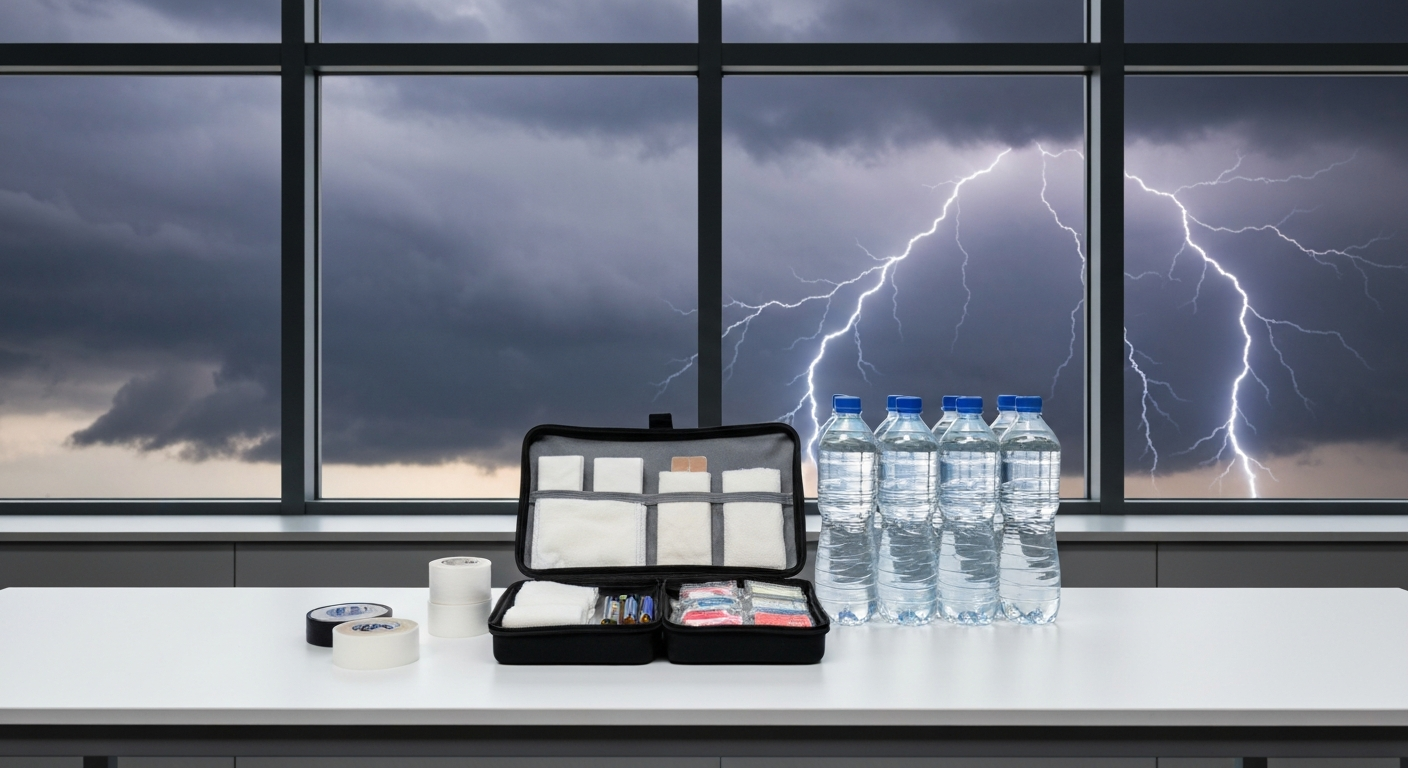
Essential steps for South Florida residents to prepare their wound care supplies, secure Wound VAC backup power, and maintain treatment continuity during severe weather.
The Reality of Hurricane Season in South Florida
For residents of Broward County and the surrounding areas, hurricane season is an annual reality that demands preparation. While stocking up on water, non-perishable food, and batteries is standard practice, individuals managing chronic wounds must take additional, highly specific steps to ensure their health and safety. A severe storm can disrupt power, limit mobility, and delay medical services, making proactive planning essential for anyone relying on consistent wound care.
Interruptions in wound care can lead to rapid deterioration of the wound, increased risk of severe infection, and significant setbacks in the healing process. Therefore, having a robust hurricane preparedness plan tailored to your medical needs is not just advisable—it is critical. This guide outlines the essential steps you need to take to safeguard your health during severe weather events, ensuring that a natural disaster does not become a medical emergency.
It's important to remember that the aftermath of a hurricane can be just as challenging as the storm itself. Floodwaters, debris, and prolonged power outages create hazardous environments, particularly for those with compromised immune systems or open wounds. Preparing for the days and weeks following the storm is just as important as preparing for landfall.
The stress and anxiety associated with an approaching hurricane can also negatively impact your overall health, potentially elevating blood sugar levels in diabetic patients or increasing blood pressure. By having a solid, well-rehearsed plan in place, you can mitigate some of this stress, allowing you to focus on staying safe and maintaining your health regimen.
Stocking Up on Essential Wound Care Supplies
The foundation of your medical hurricane kit should be an ample supply of all necessary wound care materials. In the aftermath of a storm, pharmacies and medical supply stores may be closed or inaccessible, and delivery services will likely be suspended. You should aim to have at least a two-to-three-week supply of all your wound care necessities on hand before a storm approaches.
This inventory should include prescribed dressings, medical tape, gauze, saline solution or prescribed wound cleansers, sterile gloves, and any topical ointments or antibiotics. Store these supplies in a clean, dry, and waterproof container, such as a sealed plastic bin. Keep this bin in an easily accessible location, ready to grab if you need to evacuate quickly.
It is also wise to keep a detailed, written list of your current wound care regimen, including specific product names, sizes, and the frequency of dressing changes. Include copies of your prescriptions and medical records. This documentation is invaluable if you need to seek assistance from emergency medical personnel or a different healthcare provider who is unfamiliar with your case.
Don't forget to include general first-aid supplies in your kit as well, such as band-aids, antibiotic ointment for minor scrapes, and pain relievers. If you require specialized offloading footwear or compression garments, ensure you have a backup pair in case your primary ones become wet or damaged during the storm.
Securing Backup Power for Medical Devices
Power outages are a common consequence of hurricanes, and they pose a significant threat to patients utilizing advanced therapies like Negative Pressure Wound Therapy (Wound VAC). If you rely on a Wound VAC, securing a reliable source of backup power must be a top priority in your hurricane preparations.
Ensure that the internal battery of your device is fully charged ahead of the storm. Additionally, investigate backup power options such as portable power stations, uninterruptible power supply (UPS) units, or a generator. If using a generator, always follow safety guidelines to prevent carbon monoxide poisoning—never run a generator indoors or in an attached garage.
Discuss your power needs with your equipment provider well in advance of hurricane season; they may offer specific backup solutions or guidance for their devices. If power is lost and cannot be restored before the device's battery depletes, you must have a plan in place with your healthcare provider for transitioning to traditional, non-powered dressings to prevent the wound from worsening until therapy can be resumed.
If transitioning to traditional dressings becomes necessary, make sure you have the exact supplies required for that transition in your emergency kit, and that you or a caregiver have been trained by your clinician on how to apply them correctly. Do not attempt to improvise wound care during a power outage; stick to the established emergency protocol.
Maintaining Hygiene and Infection Control
During and after a hurricane, maintaining a sterile environment for dressing changes can become incredibly challenging, especially if clean running water is unavailable. Infection control becomes paramount. Your hurricane kit must include an abundant supply of hand sanitizer, antibacterial soap, and bottled water specifically designated for hygiene and wound cleansing purposes.
If you must perform a dressing change during an outage, ensure your hands are as clean as possible using hand sanitizer and wear sterile gloves. Try to designate a specific, clean area in your home for wound care, away from any storm debris, pets, or potential contaminants.
Never use floodwater or unpurified tap water to clean a wound, as these sources can harbor dangerous bacteria, chemicals, and toxins that could cause severe, life-threatening infections. If you run out of sterile saline, use boiled (and subsequently cooled) water or commercially bottled water as a last resort.
Proper disposal of soiled dressings is also critical for infection control. Ensure you have heavy-duty plastic bags in your kit to seal and dispose of used medical supplies safely, keeping them away from living areas until regular trash collection resumes.
Communication and Evacuation Planning
Communication is key during an emergency. Ensure you have the contact information for your primary care physician, your wound care specialist, and your home health agency saved in your phone and written down in your waterproof emergency kit. Discuss your hurricane plan with your in-home care provider well before a storm hits. Understand their protocol for visits before, during, and after a hurricane, and establish how you will communicate if cellular networks are compromised.
Furthermore, evaluate your evacuation plan. If you live in an evacuation zone or a flood-prone area, determine where you will go and how you will transport your medical supplies and equipment safely. If you have special medical needs that cannot be met in a standard shelter—such as requiring electricity for a Wound VAC or needing assistance with complex dressing changes—you must register in advance for a Special Needs Shelter through the Broward County Emergency Management Division.
Do not wait until a storm is approaching to register. These shelters require pre-approval and fill up quickly. Having a secure, medically appropriate place to weather the storm is essential for your safety and continued healing. Make sure your caregivers or family members are also aware of this plan and know their roles in executing it.
Post-Storm Assessment and Care
Once the storm has passed, assess your situation carefully. If you have sustained any new injuries, or if your wound has been exposed to floodwaters or storm debris, seek medical attention immediately. Contact your wound care provider as soon as communication lines are restored to update them on your status, confirm your safety, and schedule your next visit.
Continue to monitor your wound diligently for any signs of infection, such as increased redness, swelling, unusual odor, increased pain, or fever. The stress, altered routines, and potential environmental hazards following a hurricane can compromise your immune system, making you more susceptible to complications. Prompt reporting of any negative changes to your healthcare team is crucial.
Even if your home sustained minor damage, the physical exertion of cleaning up can put undue stress on your body and your wound. Avoid heavy lifting or strenuous activity that could disrupt your healing or compromise your offloading devices. Rely on family, friends, or community resources for assistance with post-storm cleanup.
Conclusion
Preparing for a hurricane when managing a chronic wound requires careful planning and attention to detail, but it is entirely manageable. By securing ample supplies, planning for power outages, prioritizing hygiene, and maintaining clear communication with your care team, you can protect your health and ensure your healing process continues safely through the storm. Remember, the key to navigating hurricane season successfully is early preparation. Our network of in-home wound care providers is committed to supporting you, helping you plan ahead so you can face severe weather with confidence and peace of mind.
Frequently Asked Questions
Q: How much wound care supply should I stockpile for hurricane season?
A: We recommend having at least a two-to-three-week supply of all your necessary dressings, tapes, and cleansers on hand.
Q: What should I do if my Wound VAC loses power during a storm?
A: If you cannot restore power via a backup source, you must contact your provider immediately or switch to your pre-approved backup traditional dressing plan to prevent complications.
Q: Can I use tap water to clean my wound if I run out of saline?
A: No. During and after a hurricane, tap water may be contaminated. Use only sterile saline, commercially bottled water, or water that has been boiled and cooled.
Q: How do I register for a Special Needs Shelter in Broward County?
A: You can register online through the Broward County Emergency Management Division website or by calling their office. Do this well before a storm threatens.
Q: Will my in-home nurse visit me during a hurricane?
A: For safety reasons, in-home visits are suspended during active severe weather conditions. Visits will resume as soon as it is safe for clinicians to travel.